Buy fachklinik.eu ?
We are moving the project
fachklinik.eu .
Are you interested in purchasing the domain
fachklinik.eu ?
domain@kv-gmbh.de · 0541-91531010
Buy fachklinik.eu ?
What are guard cells and stomata?
Guard cells are specialized cells found in the epidermis of plant leaves that surround and control the opening and closing of tiny pores called stomata. Stomata are small openings on the surface of leaves that allow for the exchange of gases such as carbon dioxide and oxygen, as well as the release of water vapor during transpiration. Guard cells regulate the opening and closing of stomata in response to environmental factors such as light intensity, humidity, and carbon dioxide levels to help plants maintain proper gas exchange and water balance. **
Why do mesophytes have small stomata?
Mesophytes have small stomata to regulate water loss through transpiration. By having smaller stomata, mesophytes can control the amount of water vapor that escapes from their leaves, helping them to conserve water in environments where water availability may be limited. Additionally, smaller stomata reduce the risk of desiccation in dry conditions, allowing mesophytes to thrive in a variety of habitats. **


Similar search terms for Stomata
Top-Angebote
Products related to Stomata:
-
Biolage Bond Therapy Intensive Treatment 150ml DoubleStock up and save on your healthiest strands yet with this double pack of the Biolage Bond Therapy Intensive Treatment, 2 x 150ml. Bring added repair to your routine with the Biolage Bond Therapy Intensive Treatment. This pre-shampoo treatment deeply conditions and builds bonds from the inside out, leaving over-processed, damaged hair looking and feeling noticeably healthier. Key Ingredients The Bond Therapy Intensive Treatment is infused and micro-dosed with a bonding concentrate of pressed coconut oil and fermented citric acid, precisely calibrated down to the microgram to create the perfect levels of nourishment and bonding care for supreme strength and softness. Key Benefits: - Deeply repairs damaged hair by rebuilding bonds from the inside out - Strengthens over-processed hair, improving resilience and structure - Pre-shampoo treatment that enhances the effectiveness of your overall routine - Infused with pressed coconut oil for deep nourishment and softness - Contains fermented citric acid to support internal hair bonding and repair - Leaves hair visibly healthier, smoother, and more manageable Ingredients AQUA / WATER, CETEARYL ALCOHOL, GLYCERIN, BEHENTRIMONIUM CHLORIDE, STEARYL ALCOHOL, CITRIC ACID, CETYL ESTERS, SODIUM CITRATE, ISOPROPYL ALCOHOL, PARFUM / FRAGRANCE, PHENOXYETHANOL, POLYQUATERNIUM-10, POLYSORBATE 20, HYDROXYPROPYL GUAR, LIMONENE, COCOS NUCIFERA OIL / COCONUT OIL, HEXYL CINNAMAL, COUMARIN, BENZYL ALCOHOL, LINALOOL, AMYL CINNAMAL32,80 £*Shipping: 0,00 £Secure redirect to the provider
-
L'Anza Scalp Therapy Stimulating Treatment - 100ml DoubleThe L'Anza Scalp Therapy Stimulating Treatment is the perfect formula for Hair Thinning and Shedding. How does it work? It works to boost Circulation and Invigorates Hair Follicles. Powered by the Loquat Densifying Complex. Ingredients WATER (AQUA), ALCOHOL DENAT., POLYSORBATE 20, BUTYLENE GLYCOL, ERIOBOTRYAJAPONICA LEAF EXTRACT, HYDROLYZED VEGETABLE PROTEIN, HYDROLYZED PEA PROTEIN, POLYGONUM MULTIFLORUM EXTRACT, BIOTIN, EUCALYPTUS GLOBULUS LEAF OIL, ACHILLEA MILLEFOLIUM FLOWER EXTRACT, MENTHA PIPERITA (PEPPERMINT) LEAF EXTRACT, AESCULUS HIPPOCASTANUM (HORSE CHESTNUT) SEED EXTRACT, CRATAEGUS MONOGYNA FRUIT EXTRACT, PHYTIC ACID, DIMETHICONOL MEADOWFOAMATE, SODIUM PCA, MAGNESIUM PCA, ZINC PCA, MANGANESE PCA, ETHYLHEXYL OLIVATE, CEREUS GRANDIFLORUS (CACTUS) FLOWER EXTRACT, GLYCERIN, SODIUM CITRATE, ALCOHOL, TRIS(TETRAMETHYL-HYDROXYPIPERIDINOL) CITRATE, PEG-40 HYDROGENATED CASTOR OIL, TRIDECETH-9, SODIUM BENZOATE, POTASSIUM SORBATE, CHLORPHENESIN, BENZOIC ACID, SORBIC ACID, PHENOXYETHANOL, CAPRYLYL GLYCOL, ETHYLHEXYL-GLYCERIN, HEXYLENE GLYCOL, MENTHOL, BENZOTRIAZOLYL DODECYL P-CRESOL, SQUALANE, CITRIC ACID, PEG-8 LAURATE, LAURETH-4, ACRYLATES COPOLYMER,FRAGRANCE (PARFUM), HEXYL CINNAMAL, LIMONENE.60,80 £*Shipping: 0,00 £Secure redirect to the provider
-
Inspired Deals LED Light Therapy Mask For Acne Treatment With Red Blue Light Facial Therapy LED Light Therapy Mask For Acne Treatment With Red Blue Light Facial TherapyTake the next step toward clearer, healthierlooking skin with the LED light therapy mask designed for safe, athome skincare. Combining acne treatment mask technology with red and blue light, it helps target blemishes while supporting a smoother,...74,97 $*Shipping: 0,00 $Secure redirect to the provider
-
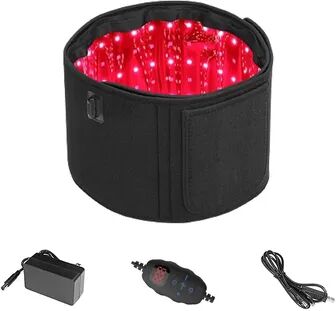
Handpicked Choices Red Light Therapy Belt Infrared Therapy Wrap For Back Waist Muscle Recovery And Body Wellness blackExperience soothing comfort with this Red Light Therapy Belt, designed to help you relax after long days, intense workouts, or everyday physical strain. Combining 660nm red light and 850nm nearinfrared light, it offers a convenient, handsfree...109,97 $*Shipping: 0,00 $Secure redirect to the provider



-
Why do stomata close at midday?
Stomata close at midday to prevent excessive water loss through transpiration. During the hottest part of the day, the plant can lose a significant amount of water through open stomata, which can lead to dehydration and wilting. By closing the stomata, the plant can conserve water and maintain its turgidity, allowing it to survive the heat and dry conditions. Additionally, closing the stomata can also help to regulate the exchange of gases, such as carbon dioxide and oxygen, within the plant. **
-
What are stomata in plants in biology?
Stomata are small pores found on the surface of plant leaves and stems that are responsible for gas exchange. They allow for the uptake of carbon dioxide for photosynthesis and the release of oxygen and water vapor. Stomata are surrounded by specialized cells called guard cells, which control the opening and closing of the pores to regulate the exchange of gases and the loss of water through transpiration. This process is crucial for the survival and growth of plants. **
-
Why are the stomata located underneath the leaf?
Stomata are located underneath the leaf to reduce water loss through transpiration. Placing the stomata on the underside of the leaf helps to minimize exposure to direct sunlight and wind, which can increase water loss. Additionally, having the stomata on the underside of the leaf helps to protect them from potential damage and blockage by dust and other particles. This positioning also allows for better control of gas exchange and helps to maintain the internal water balance of the plant. **
-
Are dry plants hydrophilic and do they have sunken stomata?
Dry plants are not hydrophilic, as they do not have a strong affinity for water. In fact, they often have adaptations to conserve water, such as waxy cuticles and reduced stomata. Additionally, dry plants may have sunken stomata, which helps to reduce water loss by creating a barrier between the stomata and the external environment. These adaptations are important for the survival of dry plants in arid environments. **

Why do aquatic plants have their stomata on top, moist plants on top, adaptable plants on the bottom, and dry plants have sunken stomata?
Aquatic plants have their stomata on top to facilitate gas exchange with the surrounding water. Moist plants have stomata on top to prevent excessive water loss and maintain a moist environment for photosynthesis. Adaptable plants have stomata on the bottom to regulate water loss and gas exchange based on environmental conditions. Dry plants have sunken stomata to reduce water loss through evaporation and protect the stomata from drying out in arid conditions. **
Why do water plants have their stomata on top, moist plants on top, adaptable plants on the bottom, and dry plants have sunken stomata?
Water plants have their stomata on top to prevent water loss and allow for efficient gas exchange with the atmosphere. Moist plants have their stomata on top to take advantage of the moist air and reduce water loss. Adaptable plants have their stomata on the bottom to minimize water loss and adapt to varying environmental conditions. Dry plants have sunken stomata to reduce water loss and protect the stomata from drying out in arid conditions. Each type of plant has evolved to have stomata placement that best suits their specific environmental needs. **
Top-Angebote
Products related to Stomata:
-
Biolage Bond Therapy Intensive Treatment 150mlBring added repair to your routine with the Biolage Bond Therapy Intensive Treatment. This pre-shampoo treatment deeply conditions and builds bonds from the inside out, leaving over-processed, damaged hair looking and feeling noticeably healthier. Key Ingredients The Bond Therapy Intensive Treatment is infused and micro-dosed with a bonding concentrate of pressed coconut oil and fermented citric acid, precisely calibrated down to the microgram to create the perfect levels of nourishment and bonding care for supreme strength and softness. Key Benefits: - Deeply repairs damaged hair by rebuilding bonds from the inside out - Strengthens over-processed hair, improving resilience and structure - Pre-shampoo treatment that enhances the effectiveness of your overall routine - Infused with pressed coconut oil for deep nourishment and softness - Contains fermented citric acid to support internal hair bonding and repair - Leaves hair visibly healthier, smoother, and more manageable Ingredients AQUA / WATER, CETEARYL ALCOHOL, GLYCERIN, BEHENTRIMONIUM CHLORIDE, STEARYL ALCOHOL, CITRIC ACID, CETYL ESTERS, SODIUM CITRATE, ISOPROPYL ALCOHOL, PARFUM / FRAGRANCE, PHENOXYETHANOL, POLYQUATERNIUM-10, POLYSORBATE 20, HYDROXYPROPYL GUAR, LIMONENE, COCOS NUCIFERA OIL / COCONUT OIL, HEXYL CINNAMAL, COUMARIN, BENZYL ALCOHOL, LINALOOL, AMYL CINNAMAL17,43 £*Shipping: 2,95 £Secure redirect to the provider
-
Inspired Finds Hand Rehabilitation Grip Cushion With Finger Separators For Stroke Recovery & Therapy Hand Rehabilitation Grip Cushion With Finger Separators For Stroke Recovery & TherapyRegain comfort, strength, and confidence in your daily movements with this soft and supportive hand rehabilitation grip cushion designed to aid recovery and improve hand mobility. Whether you're recovering from a stroke, managing hand stiffness, or...34,99 $*Shipping: 0,00 $Secure redirect to the provider
-
Biolage Bond Therapy Intensive Treatment 150ml DoubleStock up and save on your healthiest strands yet with this double pack of the Biolage Bond Therapy Intensive Treatment, 2 x 150ml. Bring added repair to your routine with the Biolage Bond Therapy Intensive Treatment. This pre-shampoo treatment deeply conditions and builds bonds from the inside out, leaving over-processed, damaged hair looking and feeling noticeably healthier. Key Ingredients The Bond Therapy Intensive Treatment is infused and micro-dosed with a bonding concentrate of pressed coconut oil and fermented citric acid, precisely calibrated down to the microgram to create the perfect levels of nourishment and bonding care for supreme strength and softness. Key Benefits: - Deeply repairs damaged hair by rebuilding bonds from the inside out - Strengthens over-processed hair, improving resilience and structure - Pre-shampoo treatment that enhances the effectiveness of your overall routine - Infused with pressed coconut oil for deep nourishment and softness - Contains fermented citric acid to support internal hair bonding and repair - Leaves hair visibly healthier, smoother, and more manageable Ingredients AQUA / WATER, CETEARYL ALCOHOL, GLYCERIN, BEHENTRIMONIUM CHLORIDE, STEARYL ALCOHOL, CITRIC ACID, CETYL ESTERS, SODIUM CITRATE, ISOPROPYL ALCOHOL, PARFUM / FRAGRANCE, PHENOXYETHANOL, POLYQUATERNIUM-10, POLYSORBATE 20, HYDROXYPROPYL GUAR, LIMONENE, COCOS NUCIFERA OIL / COCONUT OIL, HEXYL CINNAMAL, COUMARIN, BENZYL ALCOHOL, LINALOOL, AMYL CINNAMAL32,80 £*Shipping: 0,00 £Secure redirect to the provider
-
L'Anza Scalp Therapy Stimulating Treatment - 100ml DoubleThe L'Anza Scalp Therapy Stimulating Treatment is the perfect formula for Hair Thinning and Shedding. How does it work? It works to boost Circulation and Invigorates Hair Follicles. Powered by the Loquat Densifying Complex. Ingredients WATER (AQUA), ALCOHOL DENAT., POLYSORBATE 20, BUTYLENE GLYCOL, ERIOBOTRYAJAPONICA LEAF EXTRACT, HYDROLYZED VEGETABLE PROTEIN, HYDROLYZED PEA PROTEIN, POLYGONUM MULTIFLORUM EXTRACT, BIOTIN, EUCALYPTUS GLOBULUS LEAF OIL, ACHILLEA MILLEFOLIUM FLOWER EXTRACT, MENTHA PIPERITA (PEPPERMINT) LEAF EXTRACT, AESCULUS HIPPOCASTANUM (HORSE CHESTNUT) SEED EXTRACT, CRATAEGUS MONOGYNA FRUIT EXTRACT, PHYTIC ACID, DIMETHICONOL MEADOWFOAMATE, SODIUM PCA, MAGNESIUM PCA, ZINC PCA, MANGANESE PCA, ETHYLHEXYL OLIVATE, CEREUS GRANDIFLORUS (CACTUS) FLOWER EXTRACT, GLYCERIN, SODIUM CITRATE, ALCOHOL, TRIS(TETRAMETHYL-HYDROXYPIPERIDINOL) CITRATE, PEG-40 HYDROGENATED CASTOR OIL, TRIDECETH-9, SODIUM BENZOATE, POTASSIUM SORBATE, CHLORPHENESIN, BENZOIC ACID, SORBIC ACID, PHENOXYETHANOL, CAPRYLYL GLYCOL, ETHYLHEXYL-GLYCERIN, HEXYLENE GLYCOL, MENTHOL, BENZOTRIAZOLYL DODECYL P-CRESOL, SQUALANE, CITRIC ACID, PEG-8 LAURATE, LAURETH-4, ACRYLATES COPOLYMER,FRAGRANCE (PARFUM), HEXYL CINNAMAL, LIMONENE.60,80 £*Shipping: 0,00 £Secure redirect to the provider
-
What are guard cells and stomata?
Guard cells are specialized cells found in the epidermis of plant leaves that surround and control the opening and closing of tiny pores called stomata. Stomata are small openings on the surface of leaves that allow for the exchange of gases such as carbon dioxide and oxygen, as well as the release of water vapor during transpiration. Guard cells regulate the opening and closing of stomata in response to environmental factors such as light intensity, humidity, and carbon dioxide levels to help plants maintain proper gas exchange and water balance. **
-
Why do mesophytes have small stomata?
Mesophytes have small stomata to regulate water loss through transpiration. By having smaller stomata, mesophytes can control the amount of water vapor that escapes from their leaves, helping them to conserve water in environments where water availability may be limited. Additionally, smaller stomata reduce the risk of desiccation in dry conditions, allowing mesophytes to thrive in a variety of habitats. **
-
Why do stomata close at midday?
Stomata close at midday to prevent excessive water loss through transpiration. During the hottest part of the day, the plant can lose a significant amount of water through open stomata, which can lead to dehydration and wilting. By closing the stomata, the plant can conserve water and maintain its turgidity, allowing it to survive the heat and dry conditions. Additionally, closing the stomata can also help to regulate the exchange of gases, such as carbon dioxide and oxygen, within the plant. **
-
What are stomata in plants in biology?
Stomata are small pores found on the surface of plant leaves and stems that are responsible for gas exchange. They allow for the uptake of carbon dioxide for photosynthesis and the release of oxygen and water vapor. Stomata are surrounded by specialized cells called guard cells, which control the opening and closing of the pores to regulate the exchange of gases and the loss of water through transpiration. This process is crucial for the survival and growth of plants. **
Similar search terms for Stomata
-
Inspired Deals LED Light Therapy Mask For Acne Treatment With Red Blue Light Facial Therapy LED Light Therapy Mask For Acne Treatment With Red Blue Light Facial TherapyTake the next step toward clearer, healthierlooking skin with the LED light therapy mask designed for safe, athome skincare. Combining acne treatment mask technology with red and blue light, it helps target blemishes while supporting a smoother,...74,97 $*Shipping: 0,00 $Secure redirect to the provider
-
Handpicked Choices Red Light Therapy Belt Infrared Therapy Wrap For Back Waist Muscle Recovery And Body Wellness blackExperience soothing comfort with this Red Light Therapy Belt, designed to help you relax after long days, intense workouts, or everyday physical strain. Combining 660nm red light and 850nm nearinfrared light, it offers a convenient, handsfree...109,97 $*Shipping: 0,00 $Secure redirect to the provider
-
PRiME Nail Fungus Laser Treatment Device Wireless Infrared Toenail Repair Therapy Nail Fungus Laser Treatment Device Wireless Infrared Toenail Repair TherapyHiding your feet in closed shoes or tucking your hands away in public can wear down your confidence day after day. Our advanced nail fungus laser treatment device breaks that cycle of embarrassment, helping you restore the clear, healthy shine your...39,97 $*Shipping: 0,00 $Secure redirect to the provider
-
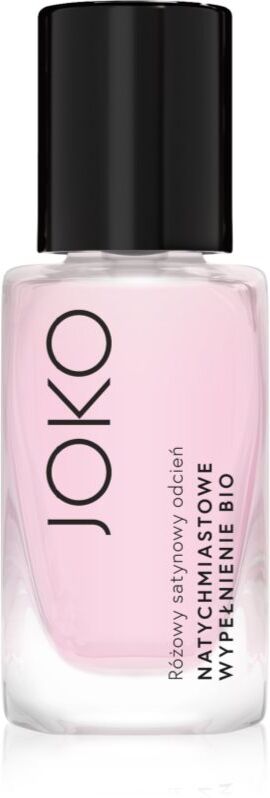
JOKO Nail Therapy smoothing treatment for nails 11 mlJOKO Nail Therapy, 11 ml, Nail Care for Women, Your manicure can only make a great impression on well-nourished and healthy nails. Keep your nails in great shape with JOKO Nail Therapy , which will give them professional care. It will strengthen fragile or weakened nails with a tendency to fray, and give dull and damaged nails a healthy shine. Thanks to its special formula enriched with nourishing ingredients, it will ensure that they remain strong and flexible and will be able to grow longer and more beautiful. It will be appreciated by anyone who wants to restore their nails’ natural beauty and healthy appearance. Characteristics: improves nails’ resistance to mechanical damage strengthens nails regenerates nails effectively reduces drying out and fragility of the nails How to use: Switch on by pressing the button at the back. For a better final effect, apply 2 layers.2,64 £*Shipping: 3,99 £Secure redirect to the provider
-
Why are the stomata located underneath the leaf?
Stomata are located underneath the leaf to reduce water loss through transpiration. Placing the stomata on the underside of the leaf helps to minimize exposure to direct sunlight and wind, which can increase water loss. Additionally, having the stomata on the underside of the leaf helps to protect them from potential damage and blockage by dust and other particles. This positioning also allows for better control of gas exchange and helps to maintain the internal water balance of the plant. **
-
Are dry plants hydrophilic and do they have sunken stomata?
Dry plants are not hydrophilic, as they do not have a strong affinity for water. In fact, they often have adaptations to conserve water, such as waxy cuticles and reduced stomata. Additionally, dry plants may have sunken stomata, which helps to reduce water loss by creating a barrier between the stomata and the external environment. These adaptations are important for the survival of dry plants in arid environments. **
-
Why do aquatic plants have their stomata on top, moist plants on top, adaptable plants on the bottom, and dry plants have sunken stomata?
Aquatic plants have their stomata on top to facilitate gas exchange with the surrounding water. Moist plants have stomata on top to prevent excessive water loss and maintain a moist environment for photosynthesis. Adaptable plants have stomata on the bottom to regulate water loss and gas exchange based on environmental conditions. Dry plants have sunken stomata to reduce water loss through evaporation and protect the stomata from drying out in arid conditions. **
-
Why do water plants have their stomata on top, moist plants on top, adaptable plants on the bottom, and dry plants have sunken stomata?
Water plants have their stomata on top to prevent water loss and allow for efficient gas exchange with the atmosphere. Moist plants have their stomata on top to take advantage of the moist air and reduce water loss. Adaptable plants have their stomata on the bottom to minimize water loss and adapt to varying environmental conditions. Dry plants have sunken stomata to reduce water loss and protect the stomata from drying out in arid conditions. Each type of plant has evolved to have stomata placement that best suits their specific environmental needs. **
* All prices are inclusive of VAT and, if applicable, plus shipping costs. The offer information is based on the details provided by the respective shop and is updated through automated processes. Real-time updates do not occur, so deviations can occur in individual cases. ** Note: Parts of this content were created by AI.