Buy fachklinik.eu ?
We are moving the project
fachklinik.eu .
Are you interested in purchasing the domain
fachklinik.eu ?
domain@kv-gmbh.de · 0541-91531010
Buy fachklinik.eu ?
What are salt gardens?
Salt gardens are shallow, man-made pools or basins used to produce salt through the process of evaporation. They are typically found in coastal areas where seawater can be easily collected and channeled into the salt gardens. The seawater is allowed to evaporate, leaving behind the salt crystals which can then be harvested. Salt gardens have been used for centuries as a method of salt production and are still utilized in some parts of the world today. **
Should gravel gardens be banned?
Gravel gardens should not be banned as they offer a low-maintenance and water-efficient landscaping option. Gravel gardens can provide habitat for wildlife, help with drainage, and reduce the need for chemical pesticides. However, it is important to ensure that gravel gardens are designed and maintained in an environmentally responsible way to prevent issues such as soil erosion and habitat loss. **
Similar search terms for York-Wallcoverings-Chambord-Gardens
Top-Angebote
Products related to York-Wallcoverings-Chambord-Gardens:
-
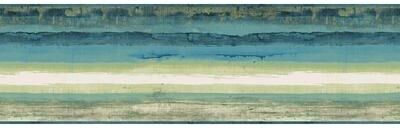
York Wallcoverings Mesa Green BorderThis Mesa Border measures approximately 9 inches wide by 15 feet long, covering About 11.3 square feet per roll. Prepasted sure strip material; 30-in repeat, random match; Washable and strippable; 9-in by 15-ft long roll; Covers about 11.3 square feet88,99 $*Shipping: 0,00 $Secure redirect to the provider


-
Are gravel gardens beautiful and allowed?
Gravel gardens can be beautiful and are allowed in many places. They offer a low-maintenance and water-efficient landscaping option that can be visually appealing with the right design and plant selection. However, it's important to check local regulations and guidelines to ensure that gravel gardens are allowed in your area, as some places may have restrictions on the use of gravel due to environmental concerns. **
-
Do allotment gardens have postal addresses?
Yes, allotment gardens typically have postal addresses. Each individual plot within the allotment garden will have its own address, allowing gardeners to receive mail and deliveries at their plot. This address is usually assigned by the local postal service or municipal authority and can be used for correspondence and deliveries related to the allotment garden. **
-
Do you find gravel gardens beautiful?
As an AI, I don't have personal preferences, but I can tell you that gravel gardens can be beautiful in their own unique way. They offer a low-maintenance and drought-tolerant option for landscaping, and the variety of colors and textures in the gravel can create a visually interesting and dynamic landscape. Additionally, gravel gardens can be a great way to showcase a variety of plants and flowers that thrive in this type of environment. **
-
What is the third question about gardens?
The third question about gardens is about the benefits of incorporating native plants in garden designs. It explores how native plants can attract local wildlife, require less maintenance, and contribute to a more sustainable ecosystem. This question delves into the importance of using native plants to create a thriving and environmentally friendly garden space. **

How do you rent out allotment gardens?
To rent out allotment gardens, you can start by contacting your local council or allotment association to inquire about available plots. Once you have found a suitable location, you will need to fill out an application form and possibly go through an interview process. There may also be a waiting list for popular allotment sites, so it's best to apply early. Once you have been allocated a plot, you will typically need to pay an annual rental fee and adhere to any rules and regulations set out by the allotment association. **
What is the ban on gravel gardens?
The ban on gravel gardens refers to restrictions or regulations that some local authorities or homeowners' associations may impose on the use of gravel as a landscaping material in gardens. This ban may be put in place due to concerns about environmental impact, such as the potential for gravel to contribute to heat islands, water runoff issues, or habitat loss for wildlife. Some communities may also find gravel gardens aesthetically unappealing or difficult to maintain. **
Top-Angebote
Products related to York-Wallcoverings-Chambord-Gardens:
-
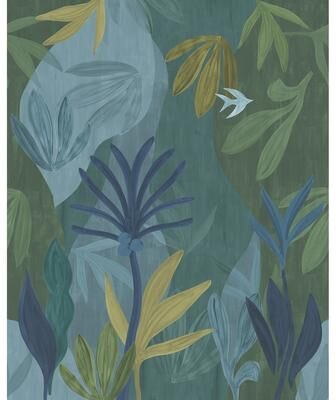
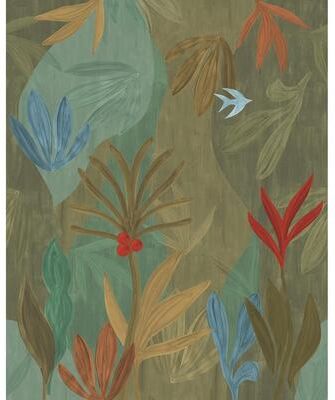
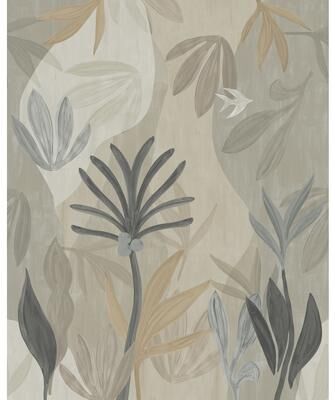
York Wallcoverings Chambord Gardens Leaf and Olive Wall MuralChambord Gardens' lush tropical flora is infused with energy from its expressive, painterly stylings. The mural is seen here in a complex palette of olive, teal, aqua, terracotta, ochre, and blue.425,00 $*Shipping: 0,00 $Secure redirect to the provider
-
What are salt gardens?
Salt gardens are shallow, man-made pools or basins used to produce salt through the process of evaporation. They are typically found in coastal areas where seawater can be easily collected and channeled into the salt gardens. The seawater is allowed to evaporate, leaving behind the salt crystals which can then be harvested. Salt gardens have been used for centuries as a method of salt production and are still utilized in some parts of the world today. **
-
Should gravel gardens be banned?
Gravel gardens should not be banned as they offer a low-maintenance and water-efficient landscaping option. Gravel gardens can provide habitat for wildlife, help with drainage, and reduce the need for chemical pesticides. However, it is important to ensure that gravel gardens are designed and maintained in an environmentally responsible way to prevent issues such as soil erosion and habitat loss. **
-
Are gravel gardens beautiful and allowed?
Gravel gardens can be beautiful and are allowed in many places. They offer a low-maintenance and water-efficient landscaping option that can be visually appealing with the right design and plant selection. However, it's important to check local regulations and guidelines to ensure that gravel gardens are allowed in your area, as some places may have restrictions on the use of gravel due to environmental concerns. **
-
Do allotment gardens have postal addresses?
Yes, allotment gardens typically have postal addresses. Each individual plot within the allotment garden will have its own address, allowing gardeners to receive mail and deliveries at their plot. This address is usually assigned by the local postal service or municipal authority and can be used for correspondence and deliveries related to the allotment garden. **
Similar search terms for York-Wallcoverings-Chambord-Gardens
-
York Wallcoverings Mesa Green BorderThis Mesa Border measures approximately 9 inches wide by 15 feet long, covering About 11.3 square feet per roll. Prepasted sure strip material; 30-in repeat, random match; Washable and strippable; 9-in by 15-ft long roll; Covers about 11.3 square feet88,99 $*Shipping: 0,00 $Secure redirect to the provider
-
York Wallcoverings Capri Smoke WallpaperA subtle blend of light blue and grey hues is heavily lined in textural Capri. This Capri Wallpaper measures approximately 20.4 inches wide by 33 feet long, measuring approximately 56.1 square feet per roll.153,00 $*Shipping: 0,00 $Secure redirect to the provider
-
York Wallcoverings Summerhouse Sienna WallpaperThe swaying leaves of tropical palm trees bring to life the luxury of living by the water's edge in pattern Summerhouse. This Summerhouse Wallpaper measures approximately 27 inches wide by 27 feet long, covering About 60.8 square feet per roll.144,50 $*Shipping: 0,00 $Secure redirect to the provider
-
Do you find gravel gardens beautiful?
As an AI, I don't have personal preferences, but I can tell you that gravel gardens can be beautiful in their own unique way. They offer a low-maintenance and drought-tolerant option for landscaping, and the variety of colors and textures in the gravel can create a visually interesting and dynamic landscape. Additionally, gravel gardens can be a great way to showcase a variety of plants and flowers that thrive in this type of environment. **
-
What is the third question about gardens?
The third question about gardens is about the benefits of incorporating native plants in garden designs. It explores how native plants can attract local wildlife, require less maintenance, and contribute to a more sustainable ecosystem. This question delves into the importance of using native plants to create a thriving and environmentally friendly garden space. **
-
How do you rent out allotment gardens?
To rent out allotment gardens, you can start by contacting your local council or allotment association to inquire about available plots. Once you have found a suitable location, you will need to fill out an application form and possibly go through an interview process. There may also be a waiting list for popular allotment sites, so it's best to apply early. Once you have been allocated a plot, you will typically need to pay an annual rental fee and adhere to any rules and regulations set out by the allotment association. **
-
What is the ban on gravel gardens?
The ban on gravel gardens refers to restrictions or regulations that some local authorities or homeowners' associations may impose on the use of gravel as a landscaping material in gardens. This ban may be put in place due to concerns about environmental impact, such as the potential for gravel to contribute to heat islands, water runoff issues, or habitat loss for wildlife. Some communities may also find gravel gardens aesthetically unappealing or difficult to maintain. **
* All prices are inclusive of VAT and, if applicable, plus shipping costs. The offer information is based on the details provided by the respective shop and is updated through automated processes. Real-time updates do not occur, so deviations can occur in individual cases. ** Note: Parts of this content were created by AI.